Chobe wildlife at a glance
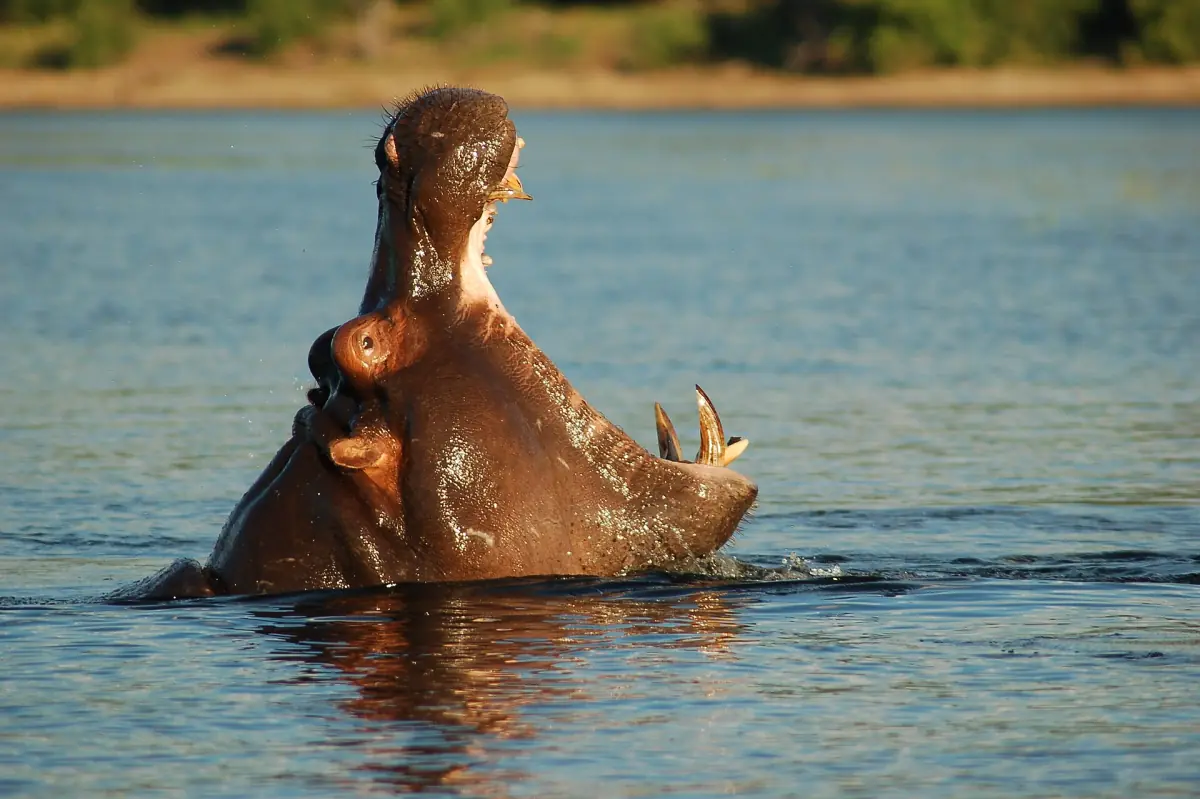
Chobe National Park covers about 11,700 square kilometres of floodplain, swamp and woodland, and the wildlife follows the habitat. The river brings hippos, crocodiles and water birds. The drier ground and the inland areas bring antelope and predators. Puku, sable antelope, roan antelope, lion, leopard, hippo and crocodile all live in the park.
Seeing a species is never certain. The animals are free-living, and a good day on a game drive can follow a quiet one. The most reliable plan is to combine a Chobe safari with a river cruise, so you look at the park from land and from water.
Puku and other antelope
Open floodplain and woodland edges carry the grazers.
Puku
Puku is one of the antelope the park is best known for. A guide who knows the area helps you find it.
Sable antelope and roan antelope
Sable antelope and roan antelope both live in Chobe. Ask your guide about them. Seeing one on a short trip is possible but never certain, and a guide who knows the area improves your chances.
Buffalo and others on the floodplain
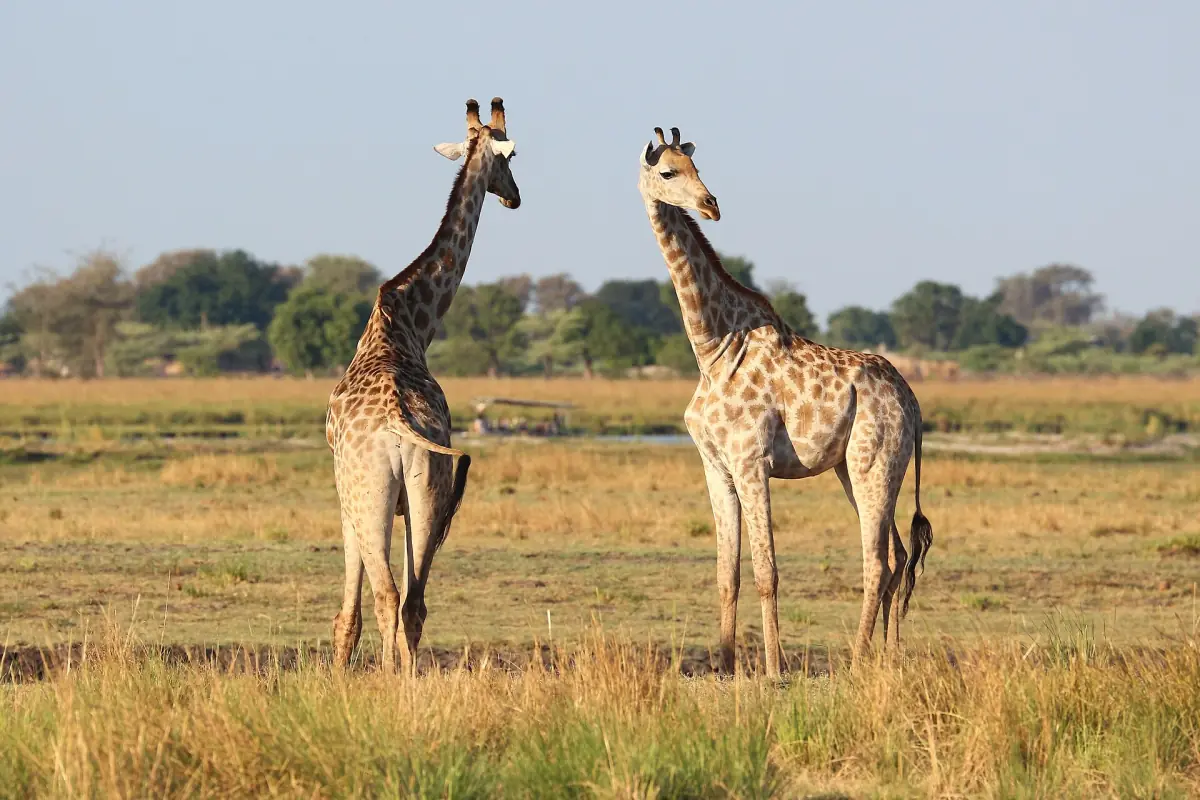
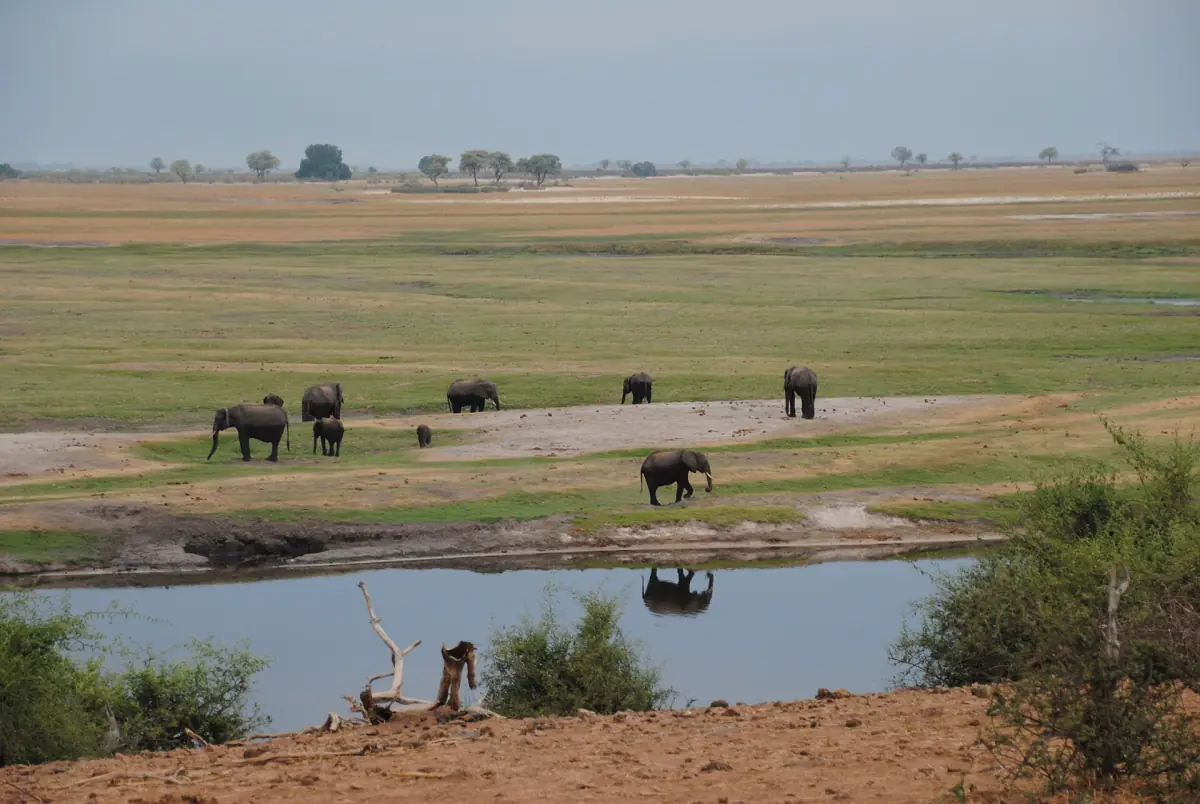
In the dry winter months elephants and buffalo gather at the river. Giraffes graze on the dry grass of the floodplain, and buffalo rest beside hippos on the flats by the water.
Our pick: game drive and boat
Both on one day, so you see animals on land and from the water.
Hand-picked tours, booked through GetYourGuide. Prices are indicative starting prices in US dollars (as of October 2026). Tap a tour for live availability and the current price in your currency.
Chobe wildlife safaris and boat trips
Game drives, river cruises and day trips where you can look for Chobe's animals, with live prices and availability.
Lions, leopards and African wild dogs
Lion and leopard both live in the park. The inland area of Savute is especially linked with lions, cheetahs and hyenas, so a longer trip to Savuti adds the predators to a Riverfront stay.
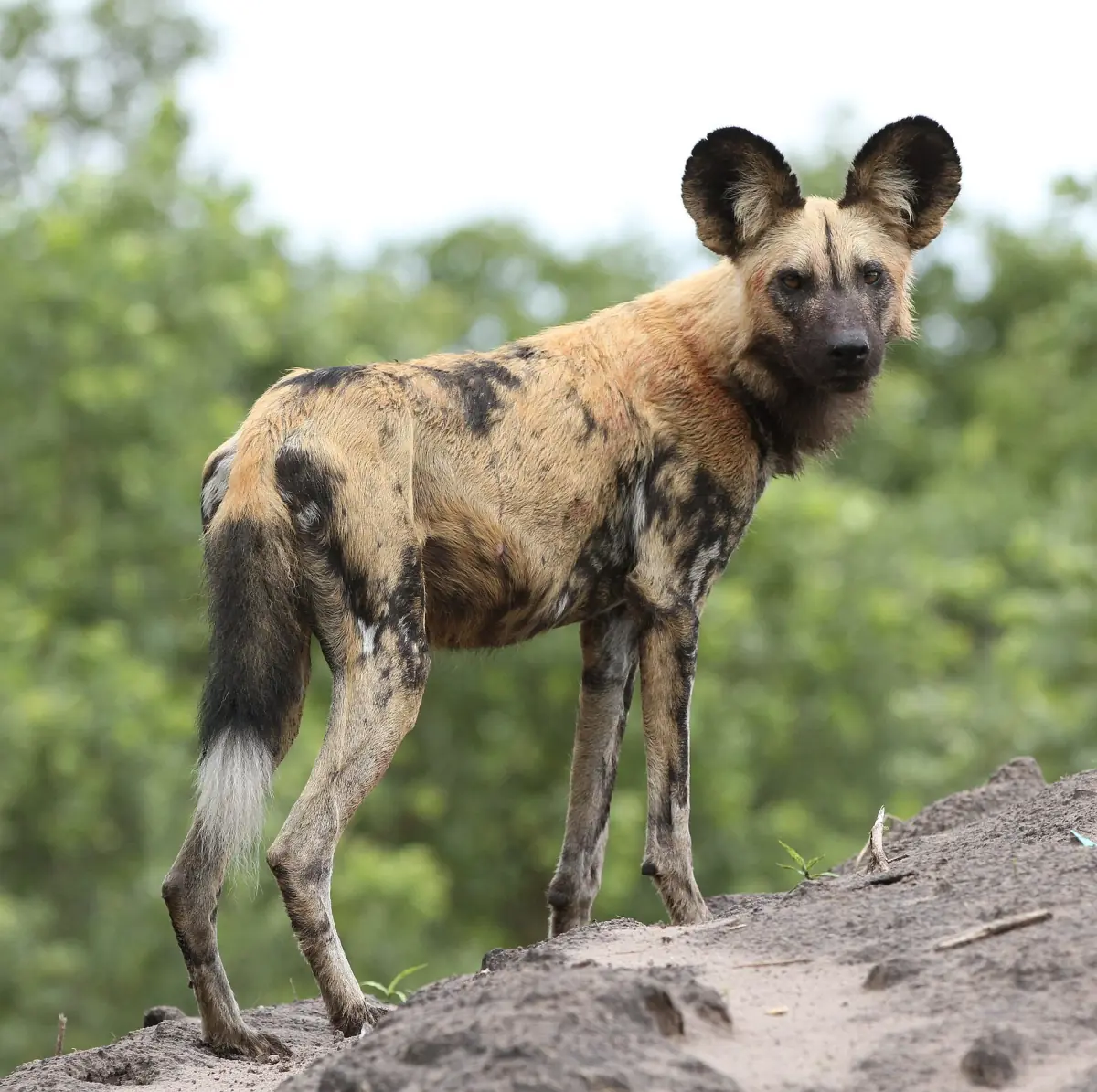
African wild dogs are found in Chobe too. Treat a wild dog as a bonus and not as a target: a sighting depends on a pack's territory and the day.
Park hours run from 6:00 to 18:30 between 1 April and 30 September, and from 5:30 to 19:00 between 1 October and 31 March.
Birds, carmine bee-eaters and fish eagles
The bird list is long, and the river is the easiest place to start.
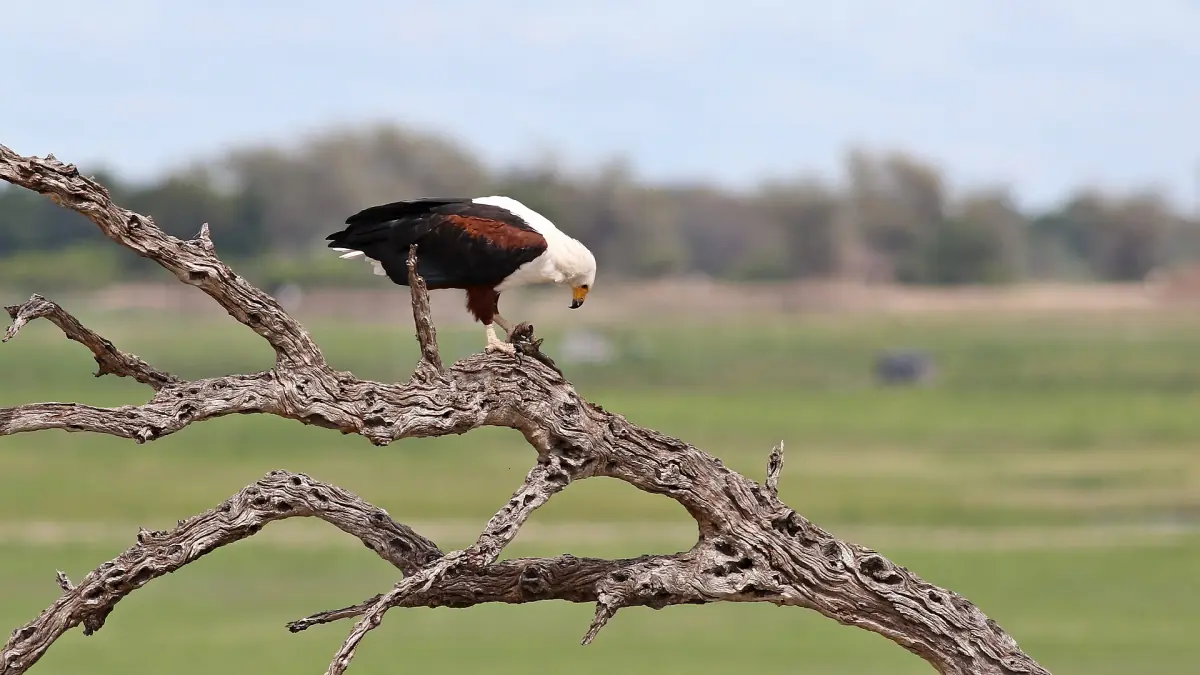
More than 460 bird species are recorded for the park. Carmine bee-eaters are among the best known, and fish eagles perch on dead branches over the floodplain. A boat gets you close to the water birds along the banks. Ask your guide what the bee-eaters are doing on the day you go.
| Animal | Where to start looking |
|---|---|
| Hippo and crocodile | On a river cruise, along the banks |
| Water birds and fish eagles | River cruise, edge of the floodplain |
| Puku, sable and roan antelope | Game drive, with a guide |
| Lion and leopard | Game drives, and Savute for a longer stay |
| African wild dog | Game drives; treat a sighting as a bonus |
| Elephant and buffalo | The Riverfront in the dry months |
For most visitors, one morning game drive and one afternoon on the water covers the widest range of animals. If you can add a night or two at Savute, you gain the inland predators.
Watching animals responsibly
Simple rules keep both sides safe.
Stay in the vehicle
Getting out is allowed only at designated facilities, with permission or in set exceptions. Walking around the bush is not allowed.
No swimming
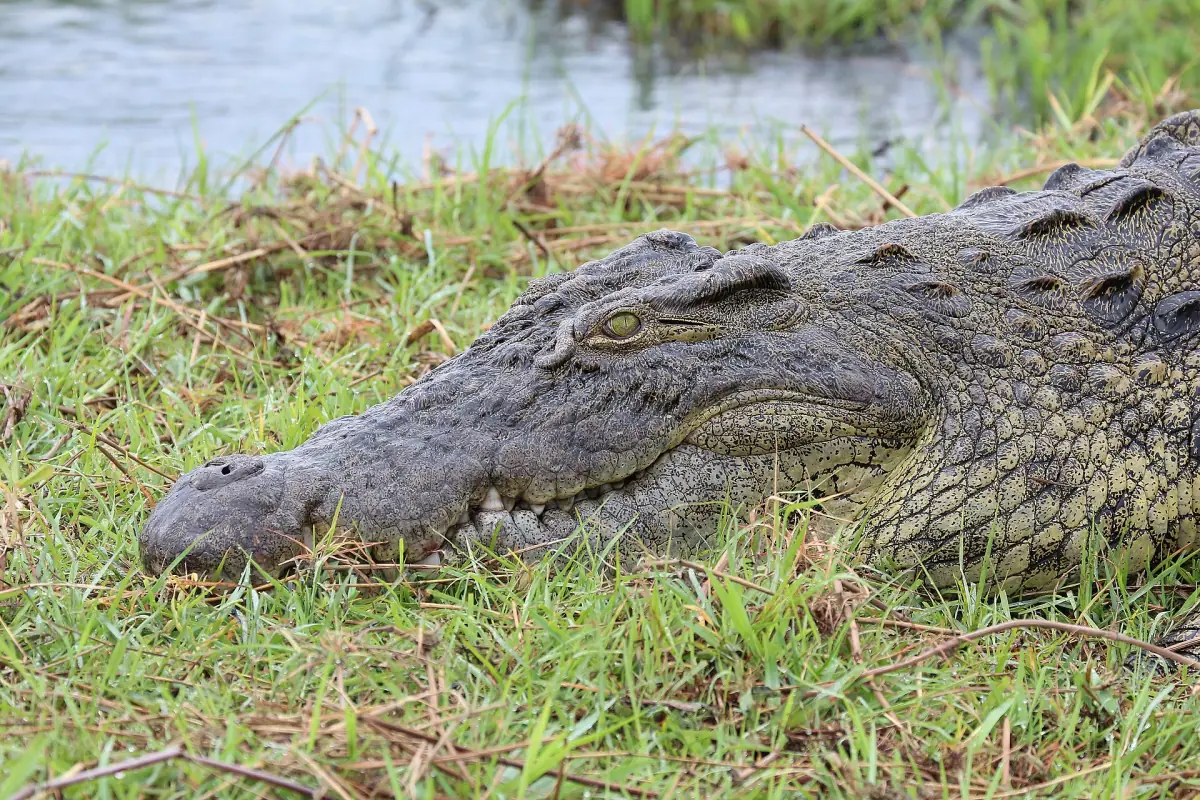
Swimming and water sports in park waters are not allowed, except in approved lodge pools. Hippos and crocodiles live in the river.
Do not crowd animals
Neither drivers nor boat captains may press in on an animal. Speed in the park is capped at 40 km/h under the park rules.
When to look for Chobe's animals
The seasons change where the animals are and how easy the roads are.
Dry winter months
From May to September almost no rain falls in the long-term averages for Kasane. Elephants and buffalo gather at the river, and the Riverfront is the easiest place for a first visit. Nights in June and July are cool, with a mean low near 10 °C.
The hot weeks before the rains
October is the warmest month, with a mean daily high of 34.5 °C in the long-term series. Plan drives for the early morning and late afternoon.
The rainy months
Rain falls mainly from November to March, with heavy showers, possible flash floods and affected roads. No month is a promise for any animal, and April can still be wet. Our guide to the best time to visit Chobe has the full table.
Chobe wildlife: frequently asked questions
What animals live in Chobe National Park?
Elephant, buffalo, puku, sable and roan antelope, lion, leopard, African wild dog, hippo and crocodile all live in the park. More than 460 bird species are recorded as well.
Can I see African wild dogs at Chobe?
They are found in the park, but a sighting is never certain. Treat one as a bonus.
Where can I see lions at Chobe?
Lions live in the park, and the inland area of Savute is particularly linked with lions, cheetahs and hyenas. Game drives are the way to look.
Is Chobe a good place for birdwatching?
Yes. More than 460 species are recorded, including carmine bee-eaters. A boat trip is a good start for water birds.
When is the best time to see Chobe's animals?
The dry winter months, when elephants and buffalo gather at the river. No month is a promise for any animal, and the rainy season brings heavy showers and affected roads.